 English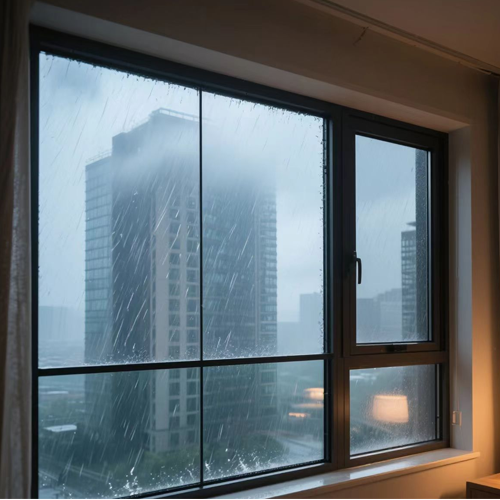

Search
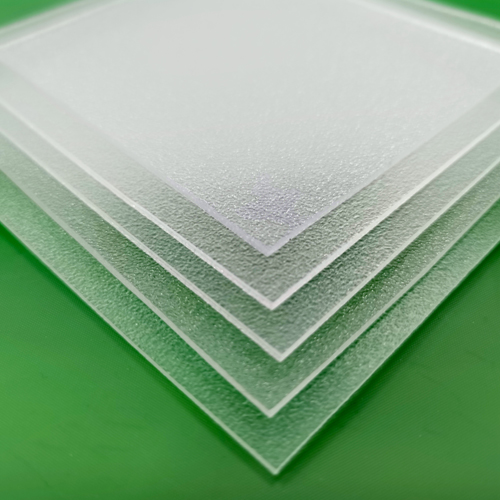
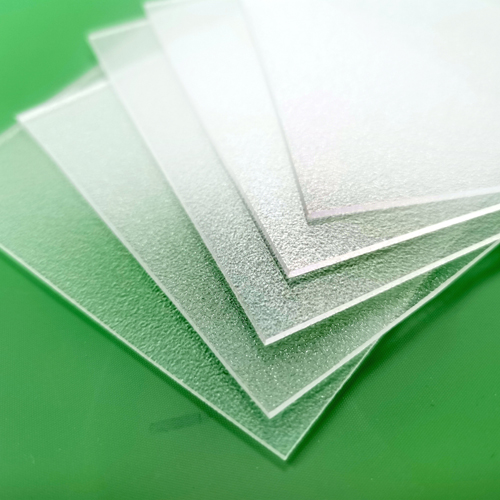
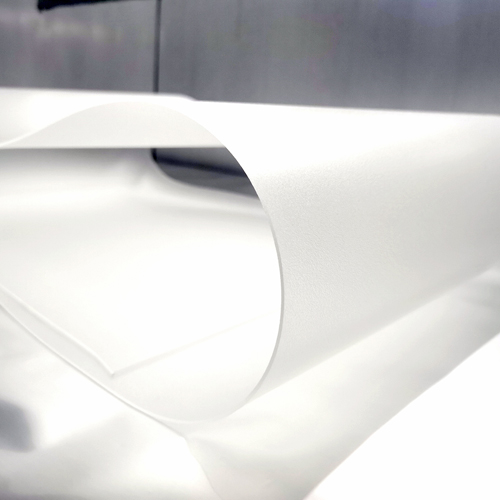
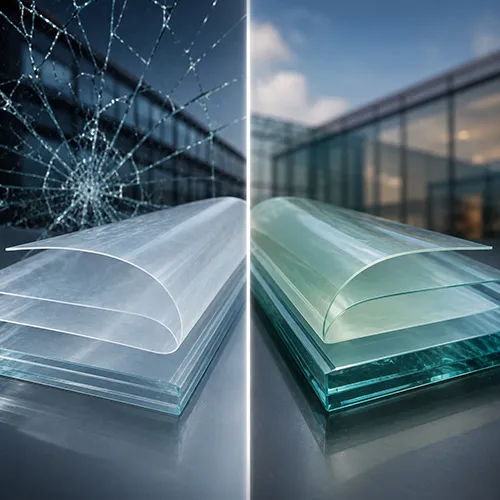
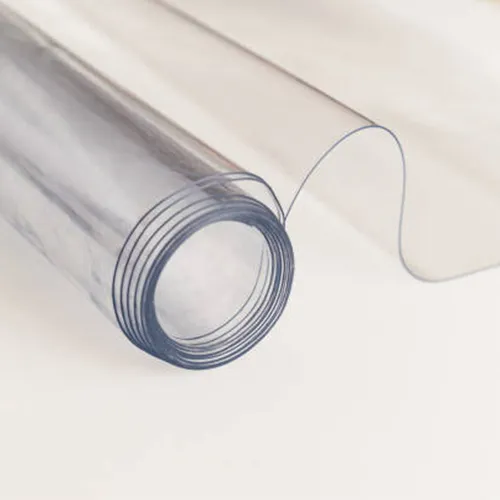
SGP Ionoplast Interlayer Film, also known as SGP Lamination Film, is a new polymer material bonded by ionic bonds. It features high molecular weight and high elastic modulus.
High Strength and Shear Modulus:
SGP exhibits excellent mechanical properties. Its shear modulus is 100 times that of PVB, and its tear strength is 5 times higher. After glass is laminated with SGP, the load-bearing capacity is twice that of PVB laminated glass of equal thickness. Under the same load and equal thickness conditions, the deflection of SGP laminated glass is only 1/4 that of PVB laminated glass.
High Strength Safety Performance and Anti-Intrusion Performance After Glass Breakage:
SGP interlayer film laminated glass has good integrity. Even if the glass breaks, the SGP film can bond the broken glass pieces, forming a structurally sound unit after damage. This minimizes bending deformation and allows it to withstand a certain amount of load without the entire pane collapsing.
Good Edge Stability, Suitable for Open-Edge Applications:
SGP film has good edge stability and is insensitive to moisture. It has low hygroscopicity and will not delaminate or separate when used in exposed conditions, making it suitable for open-edge applications.
Superior Weather Resistance, Not Prone to Aging:
After years of aging tracking tests by authoritative organizations, no significant bubbles or yellowing have appeared even after 20 years.
Colorless and Transparent, Not Prone to Discoloration, Excellent Transparency:
SGP interlayer film itself is colorless and transparent, and has good weather resistance. The yellowing index is less than 1.5. SGP film maintains its initial transparency even after many years of use.
Excellent Adhesion to Metals:
Laminated glass made with SGP and composite metal wires, meshes, or plates can greatly improve the performance of the glass after breakage, providing extremely high resistance to damage and intrusion.
SGP Film Pre-Lamination Treatment: The most widely used, economical, and direct method for cutting SGP film is with a sharp knife. Before lamination, SGP film should be treated with an adhesive roller, ionized clean air blowing, and wiping with a dust-free cloth. Cleaning machines are generally not recommended. However, if excessive stains are adsorbed on the surface and a cleaning machine must be used, be careful not to use detergents. Deionized water with a temperature not exceeding 38°C (100°F) can be used. The adhesion between glass and SGP film cleaned with deionized water is higher than that cleaned with tap water.
SGP Lamination:
SGP material must be directly bonded to the tin side of the glass, i.e., the ATTA direction (glass air side – glass tin side / SGP film / glass tin side – glass air side).
For glass structures where the tin side cannot be in contact with the film, such as multi-layer laminated glass or non-float glass, an adhesion promoter should be used on the non-tin side. Please consult after-sales service for the formula and usage method of the adhesion promoter.
Roller Pressing:
Compared to PVB film laminated glass, the temperature, roller pressure, and speed selected for roller pressing and degassing of SGP film laminated glass are basically the same for roller pressure. However, the roller heating temperature is lower, and the speed is slower. The mechanical parameter settings can be referenced as follows: Preheat in a constant temperature oven → Laminated glass surface temperature 20-25°C (68-77°F), Humidity around 25% → Constant temperature oven zone 1: 100-110°C (212-230°F), First roller press, pressure 0.2-0.5 MPa, roller distance less than total glass thickness by approximately 1mm → Constant temperature oven zone 2: 130-140°C (266-284°F) → Constant temperature oven zone 3: 170-180°C (338-356°F) → Second roller press, pressure 0.3-0.5 MPa, roller distance less than total glass thickness by approximately 2mm. In actual operation, the parameters can be adjusted with reference to the following conditions:
A. The recommended glass surface temperature after roller pressing should be controlled within the range of 63 ± 8°C (145 ± 14°F). The roller pressing speed should be set according to the temperature of the glass edge at the roller outlet. At the same time, observe the pre-pressing effect. The best effect is complete edge sealing on all sides, with a sealing width of at least 2cm. After pre-pressing, the four sides are transparent, and the inside of the entire glass is misty and translucent.
B. If a trapped air bubble can be seen on the edge after roller pressing, it is generally caused by excessive roller pressing temperature leading to premature edge sealing. This can be improved and adjusted by increasing the roller pressing conveying speed or reducing the roller pressing temperature.
C. For general float glass, the roller pressing gap is generally 3mm less than the glass thickness. The roller pressing pressure is between 0.5-0.75 MPa. For tempered glass with tempered waves, the roller pressing gap can be appropriately reduced to increase the roller pressing pressure.
Vacuuming:
For multi-layer laminated glass with more than two layers of SGP film sandwiched between the glass, hot-bent or bent tempered laminated glass, large-area tempered laminated glass, etc., the vacuum bag process is suitable. Especially for multi-layer glass structures with more than three layers of glass and two layers of film, do not use the roller pressing pre-pressing process; use the vacuum bag process. The cold vacuuming time is generally not less than 7 minutes, and preferably more than 10 minutes.
Autoclave Process:
The process of high-temperature and high-pressure treatment of laminated glass in an autoclave is a key step. Controlling the temperature and pressure process of the autoclave is an important factor in producing high-quality SGP laminated glass.
A. The spacing of laminated glass on the inserts in the autoclave should not be too small, and should be at least about 2cm. The local pressure on the glass should be minimized. Uneven pressure can cause uneven thickness of the SGP film during heating, resulting in optical distortion. The angle of the glass on the inserts should not exceed 10 degrees.
B. The holding temperature should be controlled between 125-135°C (257-275°F). The holding time for SGP film laminated glass should be more than 60 minutes. For laminated glass with a thickness of more than 16mm, the holding time will be extended.
The autoclave cooling rate should be no less than 2.2°C/min, and the pressure should be controlled at 1.2-2.4 MPa.
Our company can produce various colored SGP films, including both domestic and export color series. These include: Porcelain White, Milky White, Frosted, F Green, Ocean Blue, Tea Color, Gray, Blue Star Gray, European Gray, and more.
Standard Colors
Black (Opaque)
White (Opaque)
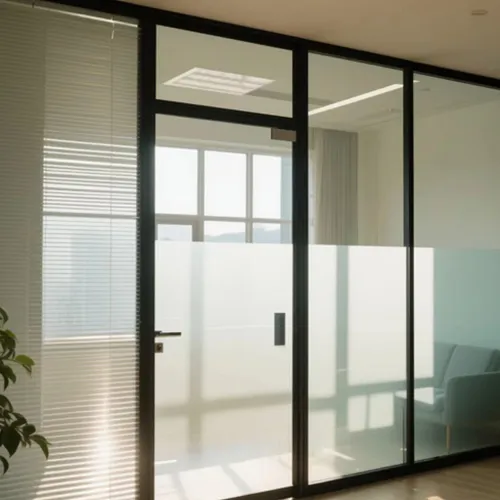
Milky White (Translucent, Non-Shadowing)
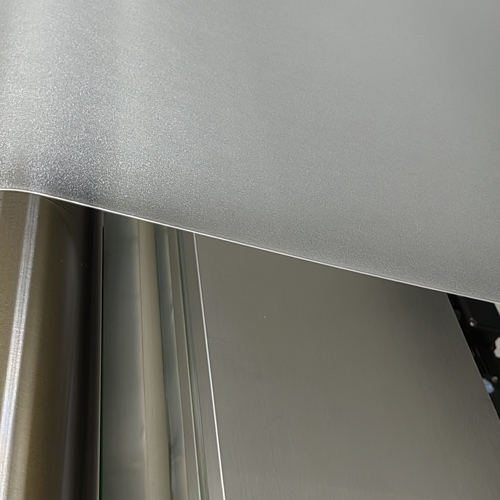
Frosted White (50% Translucent)
Product Features
Laminated glass made with colored SGP has good transparency and is more vibrant and luxurious.
Excellent weather resistance ensures that the color remains long-lasting and fade-resistant.
Rich colors allow for full display of design inspiration.
Applications
Building Exterior Curtain Walls: Point-fixed exterior curtain walls, glass canopies, glass floors, glass railings.
Safety and Security Glass: Hurricane-resistant glass, bulletproof glass, anti-intrusion glass.
Projects that require emphasis on glass transparency; multi-layer composite laminated glass or applications using extra-clear glass.
Potential applications in automotive sunroofs, high-speed trains, aviation, and maritime fields.
Extra-large architectural glass
Glass composites with metal
TPU + PC composite meets FJ79B bulletproof standard; 50% lighter/thinner than traditional glass.
| Material Properties | AnGu SGP | PVB | Test Standard |
| Specific Gravity g/cm | 0.95 | 1.066 | GB/T1033.1-2008 |
| Tensile Strength MPa | 34.5 | 28.1 | GB/T1040.1-2018 |
| Tear strength KN/M | >120 | 10-20 | GB/T1040.3-2006 |
| Elongation at Break | 400% | 275% | GB/T1040.1-2018 |
| Haze | <1% | 2% | GB/T2680 |
| YellowIndex | <1.5 | 6-12 | GB/T2680 |
| 1.47-1.5GB/T2680Refractive Index | 1.5 | 1.47-1.5 | GB/T2680 |
| Transmittance | 91.50% | 89% | GB/T2680 |
| Moisture Content | <0.2% | 0.35%-0.65% | lonic intermembrane cluster labeling |
| Tack Value of Adhesive Force | ≥7 | ≥6 | GB/32020-2015 |
| Residual Strength After Failure | <10.0cm | \ | lonic intermembrane cluster labeling |
1. What thickness options are available for SGP lamination film?
SGP lamination film is available in multiple standard thicknesses to meet different structural and safety requirements. Common options include 0.76 mm, 1.14 mm, and 1.52 mm, while custom thicknesses can be supplied upon request for specific engineering or architectural projects.
2. Is SGP lamination film suitable for exposed-edge laminated glass?
Yes. One of the key advantages of SGP lamination film is its excellent edge stability. Compared with traditional PVB, it shows significantly better resistance to moisture, delamination, and edge whitening, making it ideal for exposed-edge and frameless glass applications.
3. Can SGP lamination film be used in outdoor and high-humidity environments?
Absolutely. SGP lamination film offers outstanding weather resistance, including strong performance against UV exposure, heat, and humidity. This makes it suitable for long-term outdoor use such as facades, canopies, railings, and skylights.
4. What glass types are compatible with SGP lamination film?
SGP lamination film is compatible with most common architectural glass types, including float glass, tempered glass, heat-strengthened glass, low-iron glass, and coated glass. Proper surface preparation is recommended to ensure optimal adhesion.
5. Does SGP lamination film support structural or load-bearing glass designs?
Yes. Thanks to its high shear modulus and exceptional stiffness, SGP lamination film is widely used in structural laminated glass, such as glass floors, stairs, large-span panels, and load-bearing safety glass where higher rigidity is required.
6. How does SGP lamination film perform after glass breakage?
In the event of breakage, SGP lamination film strongly retains glass fragments and helps maintain the structural integrity of the laminated unit. This significantly reduces the risk of glass fallout and enhances overall safety performance.
7. Are colored or customized SGP films available?
Yes. In addition to clear SGP lamination film, colored options such as white, blue, grey, or custom tones are available to meet decorative and architectural design needs, while maintaining the same mechanical performance.
8. What storage conditions are recommended for SGP lamination film?
SGP lamination film should be stored in a clean, dry, and temperature-controlled environment, away from direct sunlight. Proper packaging should remain sealed until use to prevent contamination and ensure consistent lamination quality.
9. Is SGP lamination film compatible with standard autoclave lamination processes?
Yes. SGP lamination film is designed for standard autoclave lamination processes. Processing parameters such as temperature, pressure, and cycle time should follow recommended guidelines to achieve optimal bonding and performance.
10. Can SGP lamination film be customized for specific projects?
Yes. Customization options may include film thickness, color, roll size, and technical specifications. Please contact our team to discuss project-specific requirements and technical support.
Pls leave a message if you have any inquiries or questions, thank you.
No.1 Liyuan Avenue, Beicheng New District, Bengbu City, Anhui Province, China