 English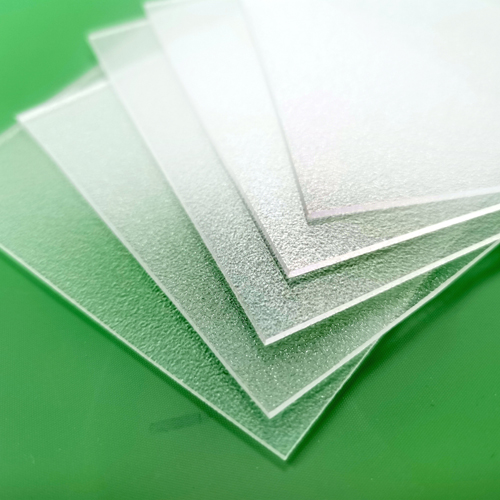

Search
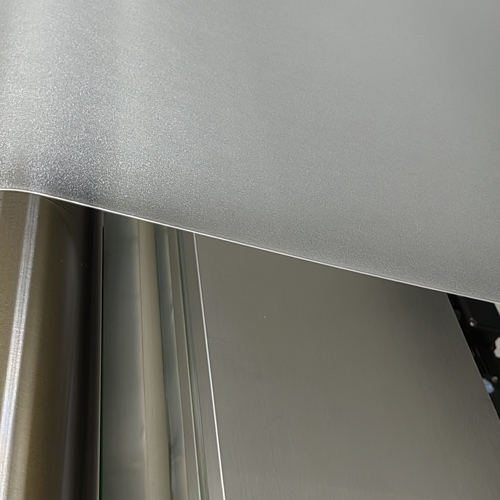
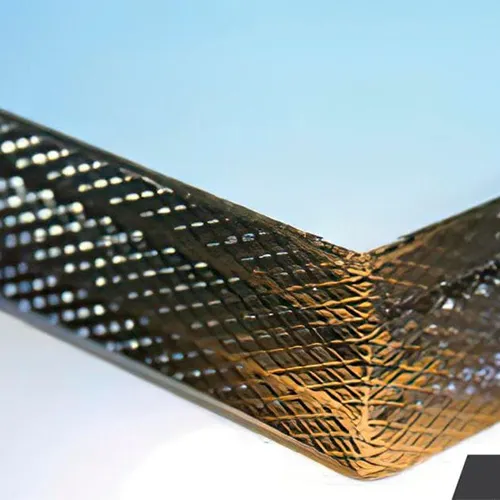
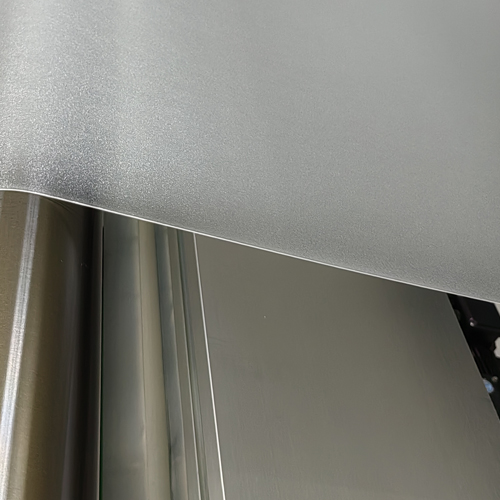
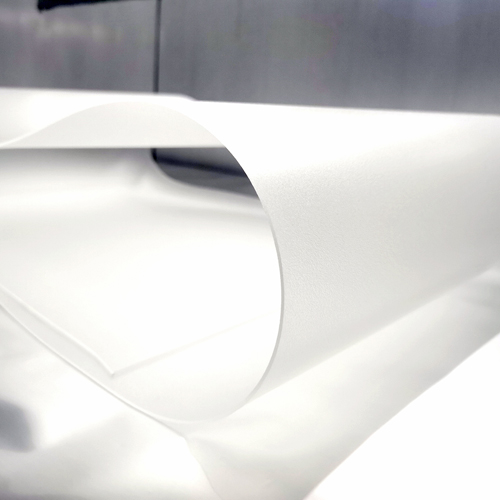
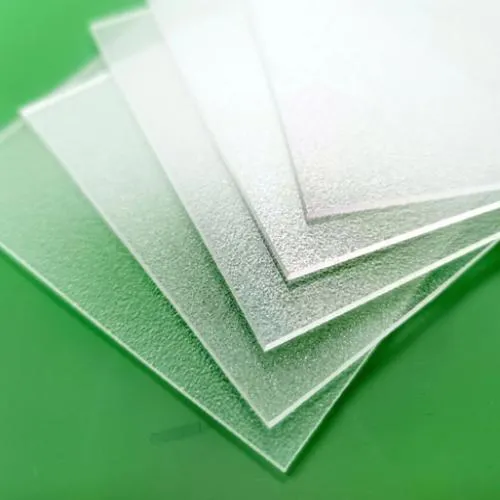
TPU film is primarily composed of thermoplastic polyurethane elastomer, a polymer film manufactured through a special process. It is widely used in fields such as armored protection, bulletproof glass, composite materials, aerospace, automotive, construction, information technology, new energy, and high-end equipment.
TPU-based safety glass maintains its performance even in extreme low-temperature environments down to -60°C.
TPU interlayer film exhibits excellent adhesion not only to inorganic materials like glass and ceramics but also to organic materials such as PC (polycarbonate) sheets, PMMA (acrylic), and PET.
TPU inherently possesses good toughness and impact resistance. Using it to create laminated glass enhances the glass's resistance to blasts and bullets, making it an excellent choice for producing high-level bulletproof glass.
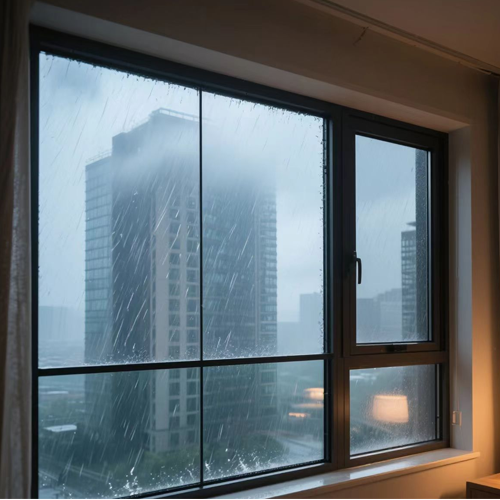
TPU offers good weather resistance, anti-yellowing properties, and is not prone to aging. It is also insensitive to water and other chemicals, eliminating the need for edge sealing.
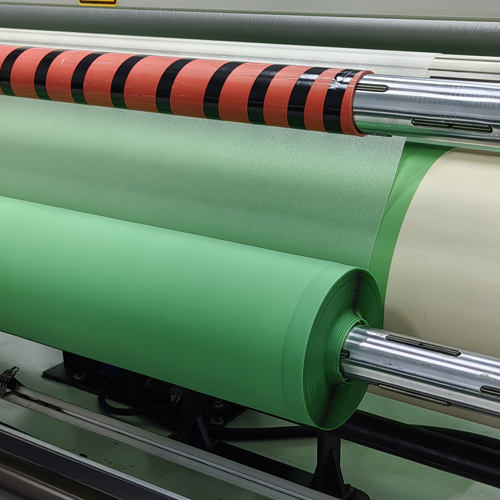
| Product Specifications of Angle TPU Film (Roll) | |
| Thickness | 0.38mm, 0.63 mm, 1.25 mm |
| Width | 800mm-2800mm, 800mm-2800mm |
| Length | 100m, 100m, 100m |
Note: Other non-standard sizes can be customized according to customer requirements.
| Items | Test result | Testing standards |
| Shore hardness | 75A | ASTMD2240 |
| Density | 1.06g/m | ASTMDT92 |
| Transmittance | 91.70% | ASTMD1003 |
| Haze | 0.23% | ASTMD1003 |
| Tensile strength | 45MPa | ASTMD638 |
| Tear strength | 72.5kN/M | ASTMD1004 |
| Elongation at break | 530% | ASTMD638 |
| Peeling Strength | 18.6KN/M | ASTMDD3330M |
| Glass transition temperature | -60℃ | ASTMDD3418 |
| Yellowing index | 0.2 | ASTMDE313 |
Combination room: The temperature of the composite room is controlled at 20-25℃, the humidity is maintained at 23%±2%, the indoors are kept dust-free, and the mechanical equipment is kept clean. Staff need to keep uniforms, hats, and gloves clean to prevent dust, impurities and hair from adhering.
Folding conditions: The temperature of the glass surface is recommended to be controlled at 20-30℃, and the maximum temperature shall not exceed 40℃. The film surface temperature is recommended to be controlled between 20-25℃. Check again whether the film and glass are clean and whether the glass and film are placed in line.
Vacuum process
Cold pumping: temperature 20-25℃, pressure -0.095--0.1MPa. The continuous vacuuming time is about 20 minutes. If the vacuuming is not continuous, the cold vacuuming time is about 30 minutes.
Hot pumping: After the cold pumping is finished, it is sent to the autoclave. The autoclave temperature is 80-100℃, the time is 60 minutes, and no pressure is required.
Roller pressure exhaust
Preheating the constant temperature box → The surface temperature of the composite glass is 20-30℃, humidity is about 25% → The first zone constant temperature box is 100-120℃, the first rolling pressure, the pressure is 0.2-0.5Mpa, the roller distance is about 1mm less than the total thickness of the glass → The second zone constant temperature box is 160-180℃ → The third zone constant temperature box is 220-240℃ → The second rolling pressure, the pressure is 0.3-0.5MPa, the roller distance is about 2mm less than the total thickness of the glass.
The following process is available for reference:
After the exhaust is finished, the laminated glass is sent into the autoclave (if the exhaust is through vacuum, the glass is already in the kettle, wait for the heat pumping time to end, and start the pressurization operation)
The heating pressure is increased → the pressure is 0.4-0.8Mpa → the temperature is increased to 120-125℃, the pressure is 1.2Mpa → the constant temperature is about 70-90 minutes (depending on the thickness and quantity of glass in the kettle) → the constant pressure cools down, and the exhaust gas will be automatically and slowly cooled to 90℃ → the temperature is cooled to 38-42℃.
The product quality has passed the National Military Standard GJB9001C:2017 certification, and has been included in the qualified suppliers of China Ordnance Industry Group, China Building Materials Inspection and Certification, ISO Quality System Certification, and SGS Certification.
Break the foreign technology blockade, achieve a complete breakthrough from raw materials to production technology, and achieve progress from 0 to 1 in the military industry.
It realizes technological innovation of ultra-large wide-fu TPU film, with a width of up to 2800mm, the world's first case.
The delivery cycle is greatly shortened; imported films are basically 3 to 6 months, and our company delivers goods in 7 to 15 days.
Applications: Explosion/Bullet/Impact-resistant glass. Composite materials.
1.27mm TPU + PC composite passed crash tests for 350km/h trains.
TPU film lamination passed bird-strike and extreme low-temperature impact tests.
1.27mm TPU + PC, achieving Grade C impact resistance.
TPU + PC composite meets FJ79B bulletproof standard; 50% lighter/thinner than traditional glass.
1. What thickness and size options are available?
TPU lamination film is commonly offered in multiple thickness options such as 0.38 mm, 0.63 mm, and 1.25 mm, with widths typically ranging from 800 mm to 2800 mm and standard roll lengths around 100 m. Custom sizes can be supplied based on project requirements.
2. How does TPU film improve laminated glass performance?
TPU interlayer film enhances laminated glass by providing high flexibility, excellent impact and puncture resistance, and strong interlayer adhesion, making the glass better able to withstand blasts, impacts, and deformation without shattering.
3. In what applications is TPU lamination film most suitable?
TPU film is widely used in high-performance laminated glass applications including bulletproof and explosion-resistant glass, aerospace glazing, automotive windshields, and protective architectural glass where superior strength, clarity, and reliability are required.
4. Can TPU laminate bond to different materials besides glass?
Yes. TPU interlayers offer excellent adhesion not only to glass but also to materials like polycarbonate (PC), acrylic (PMMA), and PET, enabling composite laminates and hybrid structures with diverse performance characteristics.
5. How does TPU film perform in harsh outdoor conditions?
TPU lamination film exhibits excellent weather resistance, anti-yellowing properties, and chemical insensitivity, and it does not easily absorb water — reducing the need for edge sealing and helping maintain clarity and performance over time.
6. What happens to TPU laminated glass after breakage?
In the event of glass breakage, TPU interlayer continues to hold the fractured pieces together, preventing dangerous shards from falling out and preserving structural integrity, which is critical for safety applications.
7. Does TPU film need special processing compared with other interlayers?
TPU interlayers are compatible with standard lamination processes. Due to their thermoplastic nature, careful control of temperature, pressure, and degassing during lamination helps ensure optimal bonding and performance.
8. Are TPU films available in custom colors or functional variants?
Depending on supplier capability, TPU lamination film can be customized in terms of thickness, roll width, and other functional specifications to match project goals. Please contact our team for available customization options.
Pls leave a message if you have any inquiries or questions, thank you.
No.1 Liyuan Avenue, Beicheng New District, Bengbu City, Anhui Province, China