 English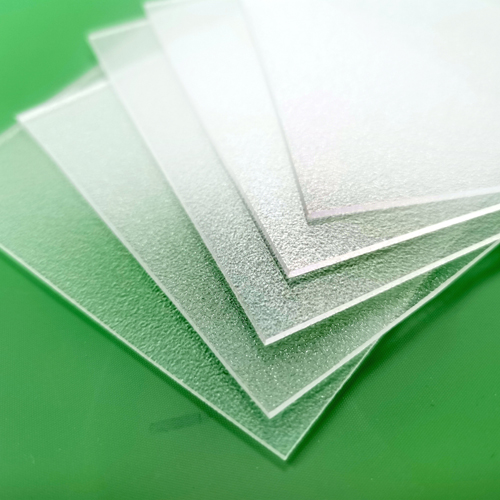

Search

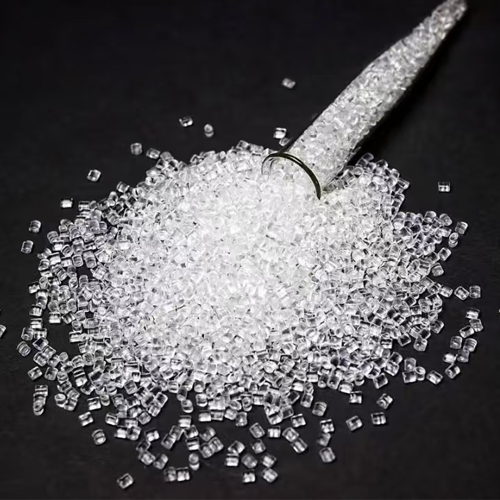
Polycarbonate, also known as PC plastic, is a thermoplastic resin.
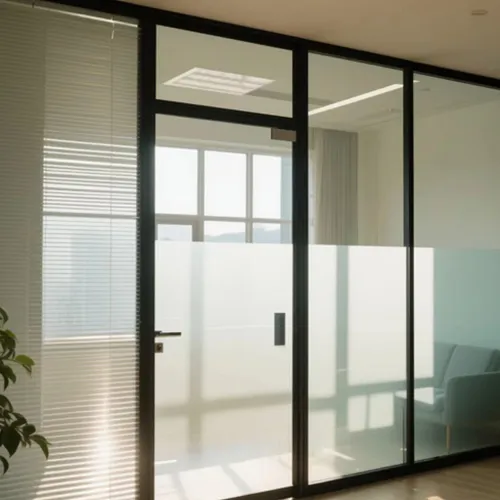
The three major application areas of PC engineering plastics are the glass assembly industry, the automotive industry, and the electronics and electrical appliance industry.
Mechanical properties
High tensile, bending and compressive strength, especially excellent impact resistance.
Thermal properties
Excellent high and low temperature resistance.
Electrical properties
Good electrical insulation, and virtually unaffected by temperature, humidity and frequency.
Classification: Anti-static PC, conductive PC, fibre-reinforced fire-resistant PC, UV-resistant weatherproof PC, food-grade PC, chemical-resistant PC
Application examples:
Optical lighting: Large lampshades, left and right eyepiece tubes for optical instruments
Electronics and electrical appliances: Insulated connectors, telephone casings.
Mechanical equipment: Bearings, bolts, levers
Medical equipment: Dental instruments, surgical instruments, artificial organs

1. What material performance advantages does polycarbonate lamination film offer?
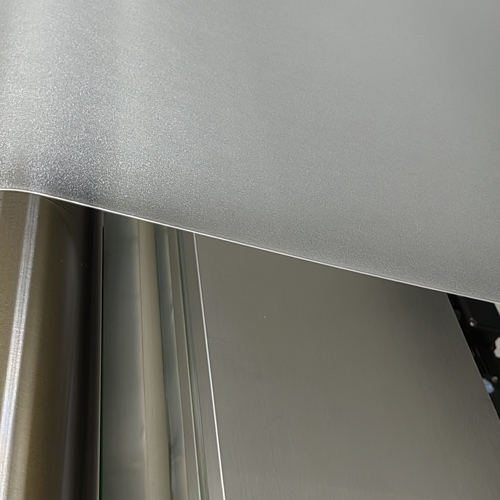
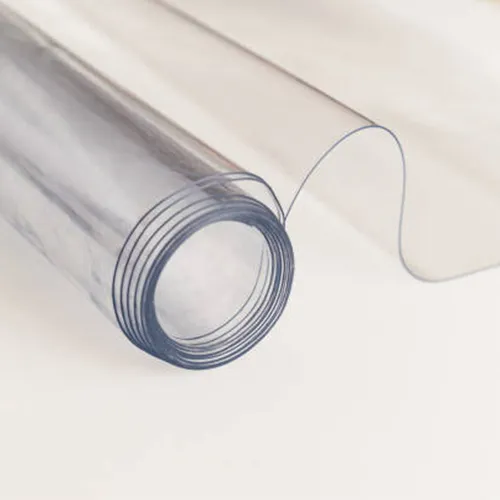
Polycarbonate laminate film provides excellent impact resistance, high tensile strength, bending strength, and compressive resistance, making it ideal for applications that require durability and toughness. Its thermal properties also ensure performance under high and low temperatures.
2. Which industries commonly use polycarbonate lamination film?
This film is suitable across various sectors including automotive, electronics and electrical appliances, mechanical equipment, medical devices, and architectural components, where strong mechanical properties and reliability are needed.
3. How does polycarbonate lamination help in composite structures?
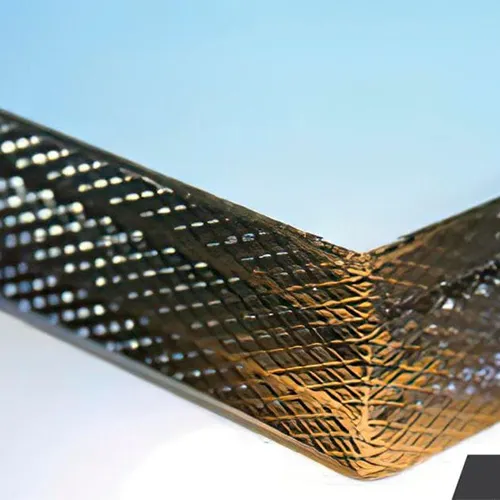
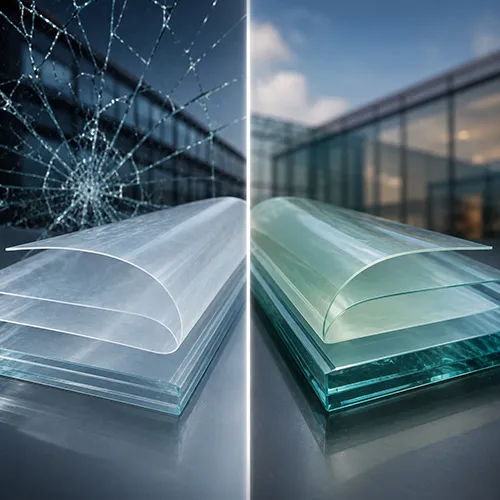
When used in lamination, polycarbonate film enhances the overall structural integrity of composites, improving impact resistance and long-term durability, especially in layered or reinforced applications.
4. Can polycarbonate lamination film be bonded with different substrates?
Yes. Polycarbonate lamination film can be laminated with a variety of substrates using appropriate adhesive or adhesive-free lamination techniques, enabling strong bonding without damaging material surfaces during processing.
5. How does polycarbonate lamination film perform in outdoor environments?
With proper formulation and processing, laminated polycarbonate structures can maintain performance under outdoor weathering, offering good resistance to temperature fluctuations and mechanical stress.
6. What should be considered during lamination processing?
Successful lamination requires careful surface preparation, appropriate selection of the lamination method (adhesive vs. adhesive-free), and precise control of processing conditions such as temperature, pressure, and time. These factors are especially important when working with polycarbonate laminate sheet, as proper processing ensures consistent bonding quality, structural stability, and long-term performance.
7. Is polycarbonate lamination film suitable for high-impact applications?
Yes. Due to polycarbonate's inherent high impact resistance and elongation capacity, laminated structures using polycarbonate films are frequently used in areas where strength and safety are paramount.
8. Are custom specifications available for polycarbonate lamination film?
Yes. Depending on project demands, customization in thickness, film width, and special functional variants can be provided to meet unique engineering and design requirements.
Pls leave a message if you have any inquiries or questions, thank you.
No.1 Liyuan Avenue, Beicheng New District, Bengbu City, Anhui Province, China