 English



Search
Polycarbonate film and solid polycarbonate sheet serve fundamentally different roles: film is designed for lamination, surface enhancement, and multi-layer composites, while solid sheet is a standalone structural material used for impact-resistant panels and glazing. If your application involves layered structures such as glass polycarbonate laminate, polycarbonate film is typically the better choice. For load-bearing or standalone panels, a solid polycarbonate sheet is more suitable.
Understanding how these materials differ is critical for selecting the right solution in industries such as automotive glazing, architectural panels, and advanced composites.
Polycarbonate laminate film is a thin, flexible thermoplastic film engineered for lamination onto glass, plastics, or other substrates.
Unlike rigid sheets, polycarbonate film is primarily used as a functional layer within polycarbonate laminates, offering:
High optical clarity
Excellent impact resistance when laminated
Surface protection (scratch, abrasion, UV coatings optional)
Compatibility with multi-layer structures
In applications like glass polycarbonate laminate, the film acts as a reinforcing or protective layer, improving safety and performance without significantly increasing thickness or weight.
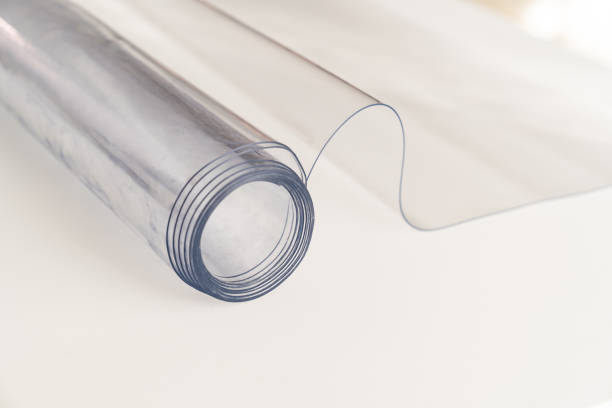
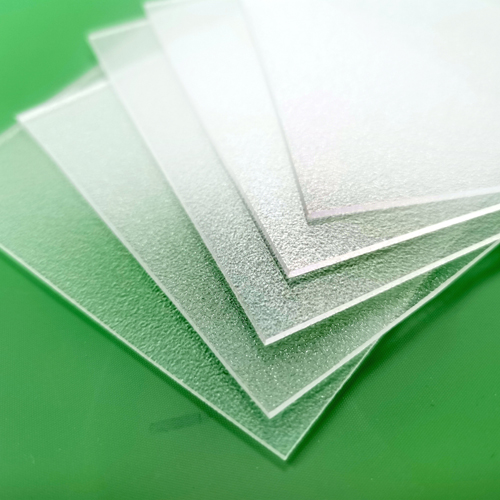
Solid polycarbonate sheet is a rigid thermoplastic panel known for its exceptional impact resistance and structural strength.
Typical characteristics include:
High thickness (usually 1mm–20mm or more)
Strong mechanical strength
Self-supporting structure
Good light transmission
Solid sheets are widely used as a direct replacement for glass in applications requiring durability, such as machine guards, skylights, and protective barriers.
Polycarbonate laminate film: Thin (typically 0.1mm–1mm), flexible
Solid polycarbonate sheet: Thick (1mm–20mm+), rigid
Film is designed for layering, while sheets function as standalone materials.
Film: Used in lamination processes (e.g., bonding with glass or other substrates)
Sheet: Installed directly as a structural panel
In glass polycarbonate laminate systems, film integrates into multi-layer assemblies, whereas sheets are used independently.
Solid sheet: Provides structural strength and load-bearing capability
Film (in laminates): Enhances impact resistance and flexibility when combined with other materials
Film alone is not structural, but within polycarbonate laminates, it significantly improves overall performance.
Both materials offer high transparency, but their performance differs depending on use:
Film: Maintains clarity within laminated structures, can include optical coatings
Sheet: High transparency but may show surface wear over time
Film is often preferred in applications requiring long-term optical stability within laminated systems.
Polycarbonate laminate film:
Processed via lamination (heat, pressure, adhesive systems)
Compatible with glass and multi-material bonding
Solid sheet:
Cut, drilled, thermoformed
No lamination required for basic use
Film offers more flexibility in advanced manufacturing processes.
Film: Lightweight and adaptable to curved or complex surfaces
Sheet: Heavier and limited in forming radius (unless thermoformed)
For lightweight composite designs, film-based polycarbonate laminates provide a clear advantage.
Polycarbonate film is the better choice when your application involves layered or composite structures.
Glass polycarbonate laminate systems (safety glazing, anti-intrusion panels)
Automotive interior and exterior laminates
Electronic display protection layers
Decorative and functional surface films
Lightweight composite panels
In these scenarios, polycarbonate laminate film enhances performance without replacing the base material.
Solid polycarbonate sheet is ideal for applications requiring structural strength and standalone performance.
Safety barriers and machine guards
Architectural glazing panels
Skylights and roofing panels
Protective shields
Here, the sheet itself provides the primary mechanical function.
Not on its own. Solid polycarbonate sheet is stronger as a standalone material.
However, when used in polycarbonate laminates, film can significantly enhance:
Impact resistance
Crack propagation resistance
Overall laminate durability
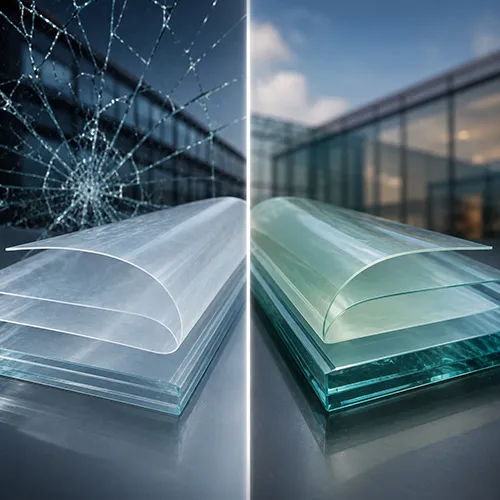
This is why glass polycarbonate laminate structures are widely used in high-security and safety applications.
Yes, and this is one of its most important applications.
In glass polycarbonate laminate systems:
The film bonds to glass using heat or adhesive processes
It improves impact resistance and safety performance
It reduces the risk of shattering and penetration
This combination is increasingly used in architectural and transportation industries.
It depends on the application environment.
Polycarbonate laminate film (in laminates):
Better resistance to layered stress
Improved durability in composite systems
Enhanced performance when combined with coatings
Solid sheet:
Strong but may be more prone to surface scratching
Can degrade without UV protection
For engineered systems, polycarbonate laminates often deliver more optimized long-term performance.
Polycarbonate laminates combine multiple materials to achieve superior safety performance.
Benefits include:
Energy absorption during impact
Reduced fragmentation
Improved resistance to forced entry
Enhanced structural integrity
In glass polycarbonate laminate, the synergy between glass and film creates a material that is both strong and flexible.
There is a growing shift from using solid materials alone to engineered laminate systems.
Reasons include:
Demand for lightweight structures
Higher safety requirements
Need for multi-functional materials (optical + mechanical + protective)
Advancements in lamination technologies
As a result, polycarbonate laminate film is becoming increasingly important in modern material design.
Polycarbonate laminate film and solid polycarbonate sheet are not competing materials—they serve different roles. Film is designed for integration into polycarbonate laminates and glass polycarbonate laminate systems, enhancing performance through layering. Solid sheet, on the other hand, is a structural material used independently.
For advanced applications requiring safety, flexibility, and multi-material integration, polycarbonate film is the more versatile solution. For standalone strength and simplicity, solid polycarbonate sheet remains a reliable choice.
It is used in laminated structures to improve impact resistance, optical performance, and surface protection.
It depends on the application—sheet is better for structural use, while film is better for layered composites.
No, but it can enhance glass performance when used in glass polycarbonate laminate systems.
In many cases, yes—laminated systems combine multiple materials to achieve better overall performance.
Yes, its flexibility makes it ideal for curved and complex designs.