 English



Search
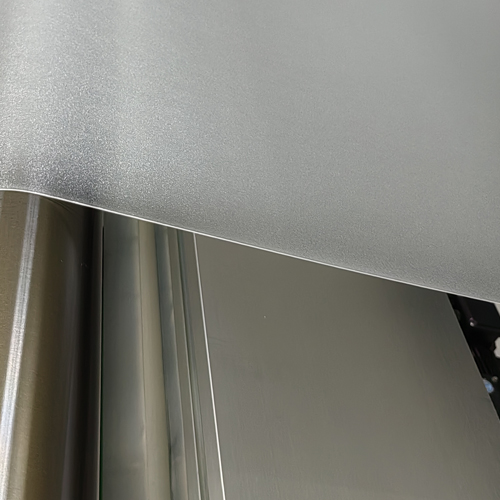
In today's fast-evolving industrial and consumer markets, the demand for high-performance materials has surged across various sectors. Polycarbonate laminate film has emerged as a superior choice for enhancing the durability, safety, and aesthetic qualities of a wide range of products. This versatile material is increasingly being used in applications ranging from automotive parts to architectural designs and electronic devices. With its unique combination of strength, flexibility, and optical clarity, polycarbonate laminate film provides an ideal solution for industries that require transparent, lightweight, and long-lasting protection.
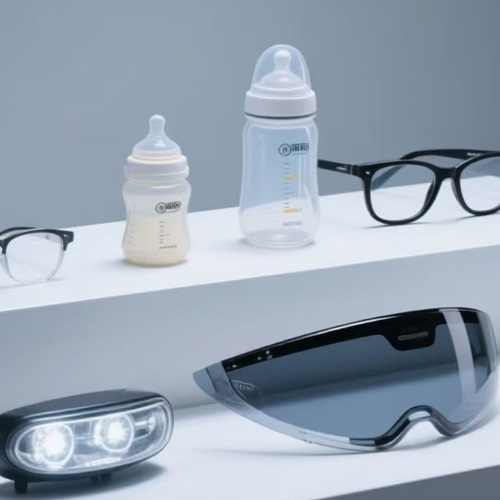
One of the primary reasons polycarbonate laminate film is so widely used is its ability to significantly enhance the durability of the surfaces it protects. Polycarbonate, a thermoplastic known for its exceptional toughness, is laminated with additional layers of protective film to create a composite that offers superior protection against physical damage. This added layer increases the impact resistance of the material, making it highly effective in preventing cracks, scratches, and breaks from external forces. Whether it's protecting a display screen or a vehicle window, polycarbonate laminate film ensures that the surface remains intact, even under pressure.
In addition to its impact resistance, polycarbonate laminate film provides excellent protection against environmental stressors such as UV rays, moisture, and temperature extremes. This makes it particularly suitable for both indoor and outdoor applications, where products are exposed to varying conditions. By increasing the strength and longevity of materials, polycarbonate laminate film helps extend the lifespan of products and ensures that they retain their integrity even in harsh environments.
Polycarbonate laminate film offers numerous benefits that make it an attractive choice for a wide range of industries. One of its key advantages is its exceptional optical clarity. The film maintains the transparency of the material it protects, which makes it ideal for applications where visual appearance is important, such as in windows, screens, and other transparent surfaces. Despite its transparency, the film does not compromise on performance; it enhances the durability of the surface while preserving its aesthetic appeal.
Another notable benefit is its ability to withstand high impacts without shattering. This is particularly valuable in industries like automotive, electronics, and construction, where protection of sensitive or fragile components is crucial. Polycarbonate laminate film absorbs and disperses energy from impacts, preventing cracks or shattering that could damage the product or harm individuals nearby. For example, in the automotive industry, it can be applied to windshields and windows to improve the safety and durability of vehicles.
Moreover, polycarbonate laminate film provides a barrier against UV radiation, helping to prevent fading and degradation of materials over time. This feature makes it ideal for applications exposed to direct sunlight, such as building facades, signage, and outdoor furniture. By blocking harmful UV rays, the film helps to maintain the appearance and quality of the protected surface, making it a valuable addition to any product that will be used outdoors.
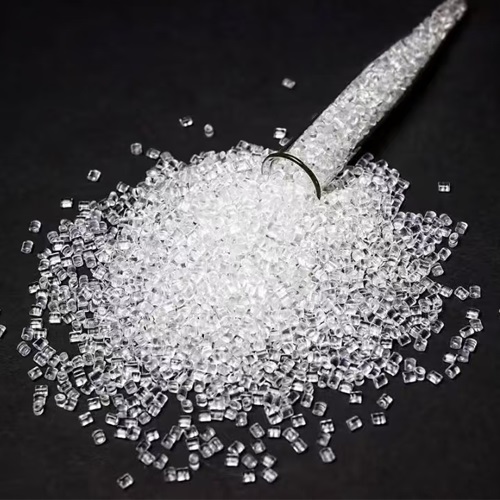
Polycarbonate laminate film plays a vital role in enhancing the safety and security of various products. In the automotive sector, it is often used in vehicle windows and windshields to improve impact resistance. Whether it's preventing accidents from broken glass or providing additional protection in the event of a collision, polycarbonate laminate film offers enhanced safety for both drivers and passengers. By reinforcing the glass, it also makes it more difficult for criminals to break into vehicles, adding an extra layer of security.
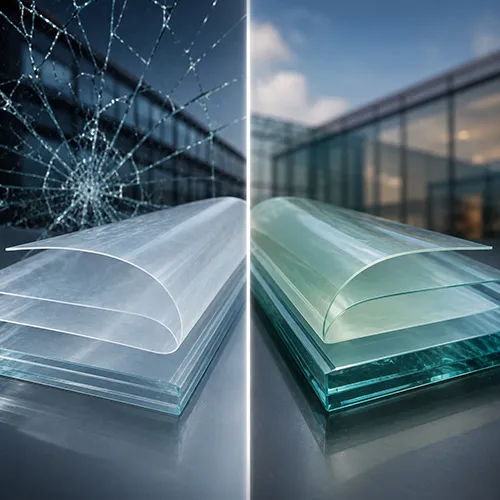
In architectural applications, polycarbonate laminate film is often applied to windows and glass facades in buildings. This added layer of protection helps to fortify the glass against potential threats such as break-ins, vandalism, or natural disasters. The film helps prevent glass from shattering into sharp, dangerous shards, reducing the risk of injury in case of impact. For public buildings, schools, and commercial properties, polycarbonate laminate film provides an affordable and effective security solution.
Moreover, polycarbonate laminate film is increasingly being used in the production of protective covers for electronic devices. From smartphones to televisions, the film helps protect screens from scratches, cracks, and other forms of damage while maintaining clarity and touch sensitivity. This makes it an ideal material for enhancing the durability of electronic devices without compromising their functionality or visual quality.
The versatility of polycarbonate laminate film allows it to be used in a wide variety of industries. In the automotive sector, it is used to protect vehicle windows, headlamps, and dashboard panels. The film's ability to withstand high-impact forces and resist UV damage makes it ideal for improving the durability and safety of automotive components. It is also commonly used in safety applications, such as for reinforced glass in government buildings, airports, and financial institutions, where security is a top priority.
In the construction industry, polycarbonate laminate film is applied to glass facades and windows to provide added protection against vandalism, extreme weather, and forced entry. It enhances the safety and security of buildings while maintaining the transparency and aesthetic appeal of the glass. In addition, polycarbonate laminate film is used in the production of protective covers for consumer electronics, ensuring that devices are well-protected from physical damage and maintaining their long-term functionality.
Polycarbonate laminate film is also becoming more common in signage and advertising applications, where it is used to protect digital displays and billboards from environmental damage. Its optical clarity ensures that the message remains visible, while its impact resistance helps to protect the display from physical damage, ensuring that advertising materials last longer and remain effective.
In conclusion, polycarbonate laminate film offers a perfect combination of durability, impact resistance, and optical clarity, making it an essential material for a wide range of applications. Its versatility and ability to protect a variety of surfaces while maintaining their appearance make it a valuable asset for industries from automotive to construction to electronics. As technology advances, polycarbonate laminate film will continue to play an integral role in enhancing the performance and longevity of the products it protects.